Beginner Weight Lifting for Females: A Complete Guide
Ready to start lifting with confidence? This guide lays out a clear four-week plan for beginner weight lifting for females, including a printable roadmap, daily workouts, at-home substitutions and concise coaching cues you can use immediately. You’ll also get three ready-to-use strength days, an optional cardio session and simple nutrition and recovery guidelines designed to fit a busy schedule.
Quick summary
Use this quick checklist to stay focused during the first month. These points make it easier to plan each session and measure progress.
Follow the four-week roadmap. Week one trains form and weeks two to four add volume so you build technique and a reliable routine without guessing.
Train three times a week with full-body workouts. Scheduling sessions on non-consecutive days helps with recovery and consistency.
Prioritise clean technique and a short warm-up before heavy work. Use a few simple cues and only increase weight when movement feels repeatable to lower injury risk and speed progress.
Progress gradually: make small, consistent increases rather than large jumps.
Eat to support strength: prioritise whole-food meals and hydrate regularly to assist recovery.
The 4-week plan: quick start and daily workouts
This four-week plan moves you from basic technique to a simple habit you can maintain. Each week slightly increases the workload so you build skill, capacity and routine without overwhelming yourself.
Keep intensity manageable so training fits your life; aim to finish most sets with about two reps in reserve and limit sessions to 35 to 50 minutes including a brief warm-up. Three focused full-body sessions per week are enough to progress steadily without crowding a busy schedule.
Below are three copy-ready strength days and an optional cardio day. These workouts use dumbbells, bodyweight and bands so you can follow them at the gym or at home with minimal equipment. If you need guidance on equipment choices and practical programming for non-gym settings, see this weight training for women resource.
Day A: lower focus: Goblet squat 3 x 8 to 12, bent-over row 3 x 8 to 12, glute bridge 3 x 10 to 15 and plank 3 x 20 to 40 seconds. Rest 60 to 90 seconds between sets. At home, use a heavy dumbbell for goblet squats, single-arm dumbbell or band rows and single-leg glute bridges with a weight on the hips.
Day B: upper focus: Incline push-up or dumbbell bench press 3 x 8 to 12, dumbbell shoulder press 3 x 8 to 12, one-arm dumbbell row 3 x 8 to 12 and band pull-apart 3 x 12 to 15. Rest 60 to 90 seconds between sets. At home, perform floor or bench presses, seated presses and use bands for horizontal pulling.
Day C: full body: Romanian deadlift 3 x 8 to 12, Bulgarian split squat 3 x 8 to 10 per side, chest-supported or bent-over row 3 x 8 to 12 and dead bug 3 x 10 to 15. Rest 60 to 90 seconds between sets. At home, reduce load on hinge patterns and use bands or light dumbbells to create tension where needed.
Optional cardio includes 20 to 30 minutes of brisk walking or a 15 to 20 minute interval session once or twice weekly. Take at least one full rest day between strength sessions and only increase sets or weight when your technique is solid. Before each session, plan a short warm-up; later sections explain how to choose weights and test progress so you know when to raise the challenge.
Warm-up, mobility and injury prevention
A short, intentional warm-up prepares joints, raises heart rate and grooves the movement patterns you will repeat with heavier loads. Spend five to ten minutes at every session to reduce aches, improve control and build safer lifting habits.
Begin with two to four dynamic mobility drills, such as arm circles with scapular squeezes, hip swings and a lunge with thoracic rotation. Follow mobility with ramped warm sets of the day's main compound lift, starting unloaded for about eight to ten reps then one moderate set at roughly 50 to 70 percent of your planned working weight. These ramp sets prime the nervous system and lower sudden load on tissues. For a practical, structured squat progression you can use right away, consult this best squat warm-up guide.
Finish sessions with a short cool-down and recovery routine. Spend three to five minutes moving slowly, target any tight areas with gentle mobility work and use brief foam rolling on glutes, quads or the upper back if that helps. Give yourself at least 48 hours between strength sessions and treat persistent soreness, energy dips or stalled performance as signals to back off and recover.
Make recovery practical for a busy life by prioritising consistent sleep, sipping water throughout the day and including short active recovery sessions like walking or light cycling. Prioritise recovery over adding extra sessions so you maintain progress week to week. The next section covers core cues for the main lifts so you can apply the warm-up directly to safe technique.
Form cues for the big lifts you need
Short, repeatable cues help you lift safely and learn faster than long lists of corrections. Use one simple cue before each set, perform the set and fix at most one thing on the next attempt to keep practice focused.
Squat, hinge and hip-thrust patterns each have priority points. For squats, think "sit back, chest up, knees track over toes" and regress to a goblet squat if depth or posture is a problem. For the hinge and deadlift, cue "push the hips back, keep the weight close and maintain a neutral spine" and lower the load if rounding occurs, practising Romanian deadlifts or kettlebell deadlifts first.
Rows and presses need upper-body stability and clear joint positions. For rows, brace the core, squeeze the shoulder blades and drive the elbows back. For presses, set your starting point, keep the core tight and press without over-arching the lower back; regressions include band rows, incline push-ups and single-arm presses to reduce load while reinforcing pattern quality.
Use a few quick visual checks each session: bar over mid-foot in squats, neutral spine in hinges, shoulder blades set before a row and ribs tucked during presses. Apply these checks when choosing regressions and progressions so form stays reliable as weights rise.
How to progress, pick weights and avoid plateaus
Progress with a simple rule: when you complete the prescribed sets and reps with solid form for two sessions in a row, increase the weight by the smallest available increment or add 1 to 2 reps per set. Aim to treat most working sets as challenging but not maximal, roughly RPE 7 to 8, which feels like two reps in reserve.
Track every session in a notebook or a basic app so you can follow small upward trends instead of guessing. Plan a deload every four to six weeks or sooner if progress stalls or fatigue accumulates; on a deload week reduce load by about 40 to 60 percent or cut volume in half while keeping movement quality. Regular tracking makes deload timing obvious and helps prevent burnout.
Beginners often run into a few predictable issues. Knee problems usually relate to excessive forward travel or poor foot alignment, so shorten range, check tracking and emphasise glute activation. Lower-back rounding during hinges suggests you should reduce weight and practise hip-hinge drills before loading again.
Fix attendance with simple scheduling: stack workouts onto an existing habit, place them in a reliable time slot and treat sessions like an appointment. Before each session run a quick checklist: warm up, set the weight, note target reps and confirm your cue, then start. Short, consistent workouts win over occasional long sessions.
Nutrition, confidence and next steps (including Stable Strength workshop)
Nutrition powers muscle growth, recovery and daily energy. Aim for about 1.2 to 1.6 grams of protein per kg bodyweight, prioritise whole-food meals and avoid drastic calorie swings so changes stick. For practical protein targets and timing specifically for women doing strength training, see this protein requirements for women in strength training guide. Small, practical swaps such as adding a palm-sized portion of protein at each meal make a meaningful difference; also aim for two to three litres of water daily and seven to nine hours of sleep to support recovery.
Confidence grows from predictable progress and clear rules you can follow. Start light, keep most sets with two reps in reserve and recognise small wins like an extra rep, cleaner form or smoother tempo. Use video or a coach early on to correct technique and prevent wasted weeks, then track one simple metric each week so progress stays visible and motivating.
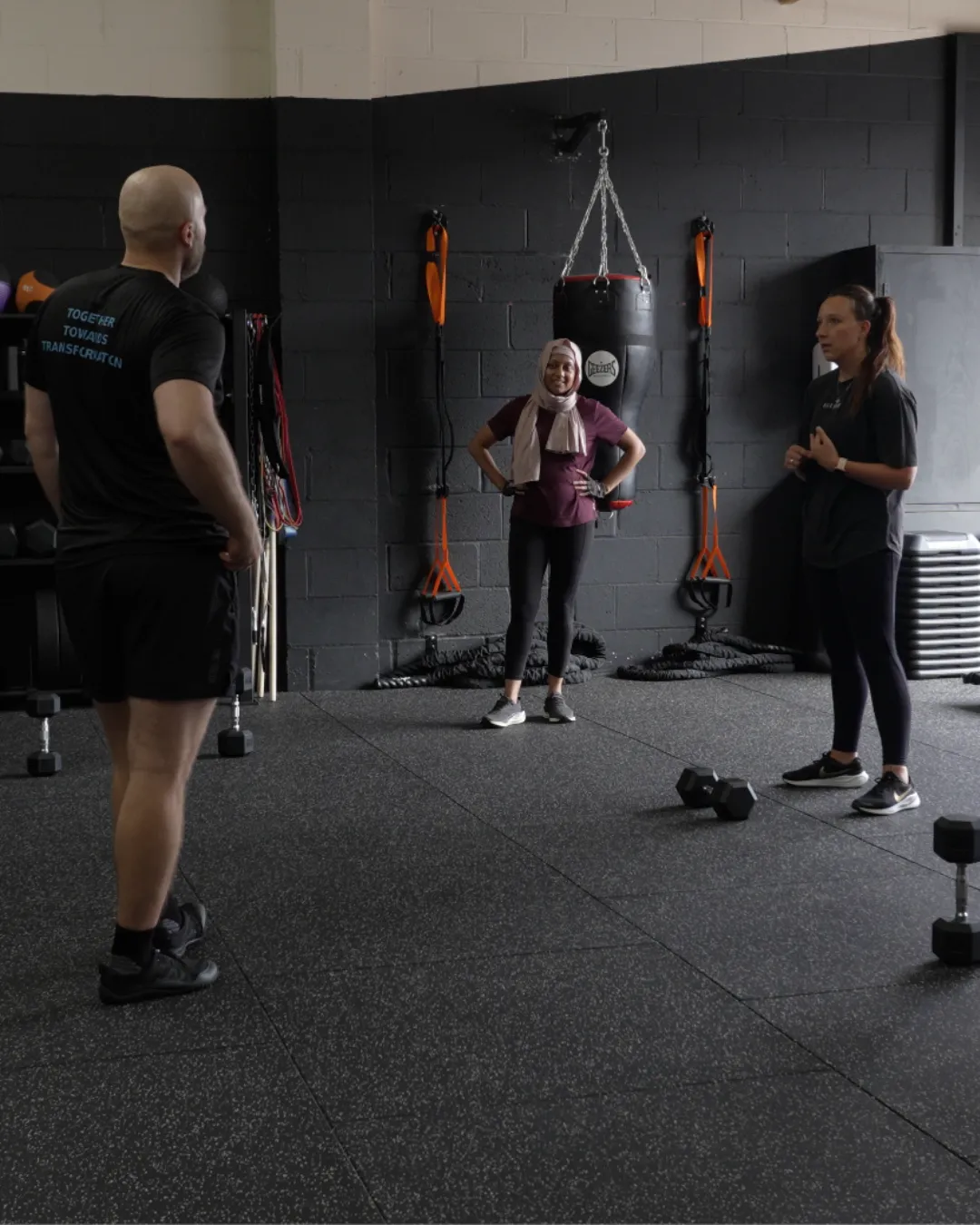
If you prefer hands-on coaching, Coaching at Stable Strength | Personal Training in Oxford runs women-only small-group workshops in Oxford with no more than four clients per session and About Stable Strength | Meet Coach Mody in Oxford notes that clients work with the same coach every time. Sessions include personalised cues, short progress checks and simple homework; new clients receive a free taster session plus a 30-day results guarantee. To book the free taster or reserve a workshop spot, visit the Contact Stable Strength | Personal Training Studio Oxford page or call the studio.
Beginner weight lifting for females: start with confidence
You now have a practical roadmap to begin: follow the four-week plan to move from technique to habit, treat warm-ups as non-negotiable and prioritise clean form on the big lifts to reduce risk and make progress repeatable. Keep sessions short, track your work and progress in small steps so strength gains compound over time.
Start at home by spending ten minutes practising the three week-one movements with slow, controlled reps while focusing on posture and breathing. If you'd like to compare an alternate four-week programme, this beginner workout plan offers another structured approach. Take one clear action today and you will know exactly what to build on tomorrow; steady, practical steps beat random effort.


